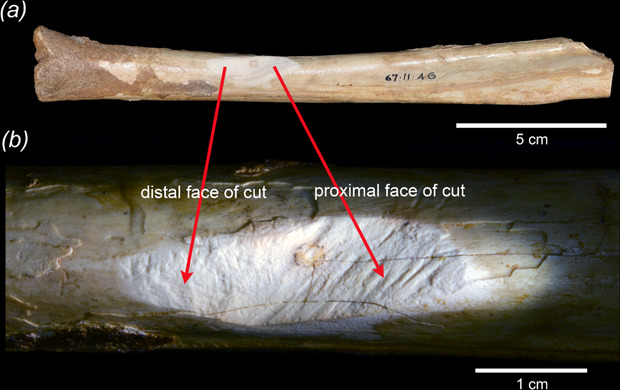
Were Australia’s First Peoples the World’s First Paleontologists?
Did Indigenous Australians hunt the continent’s now-extinct megafauna, or did they engage with fossils in a more symbolic and scientific way?
Read More
Did Indigenous Australians hunt the continent’s now-extinct megafauna, or did they engage with fossils in a more symbolic and scientific way?
Read More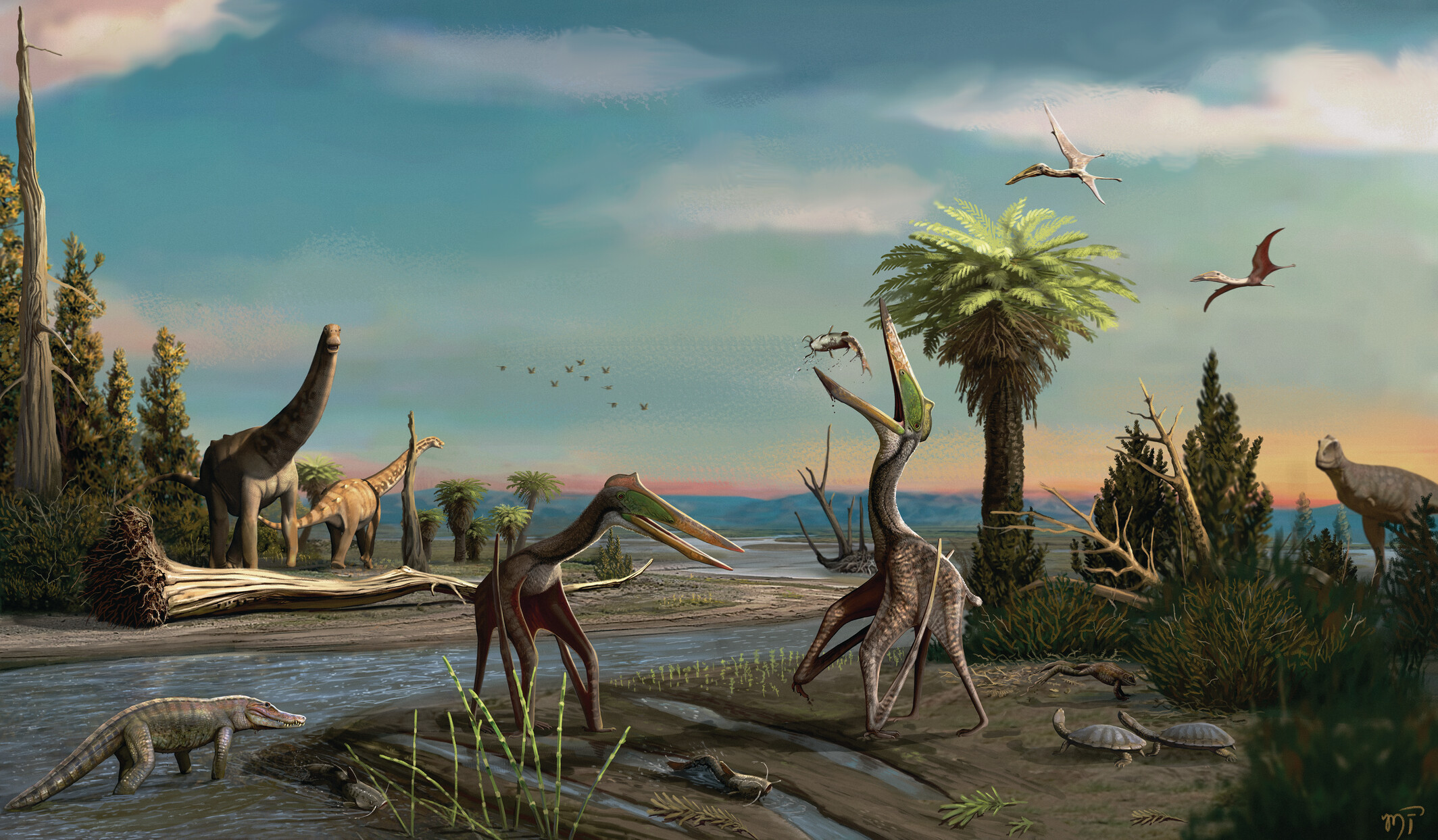
Paleontologists have identified a new species of pterosaur, named Galgadraco zephyrius, from fossil remains found in Upper Cretaceous Brazil.
Read More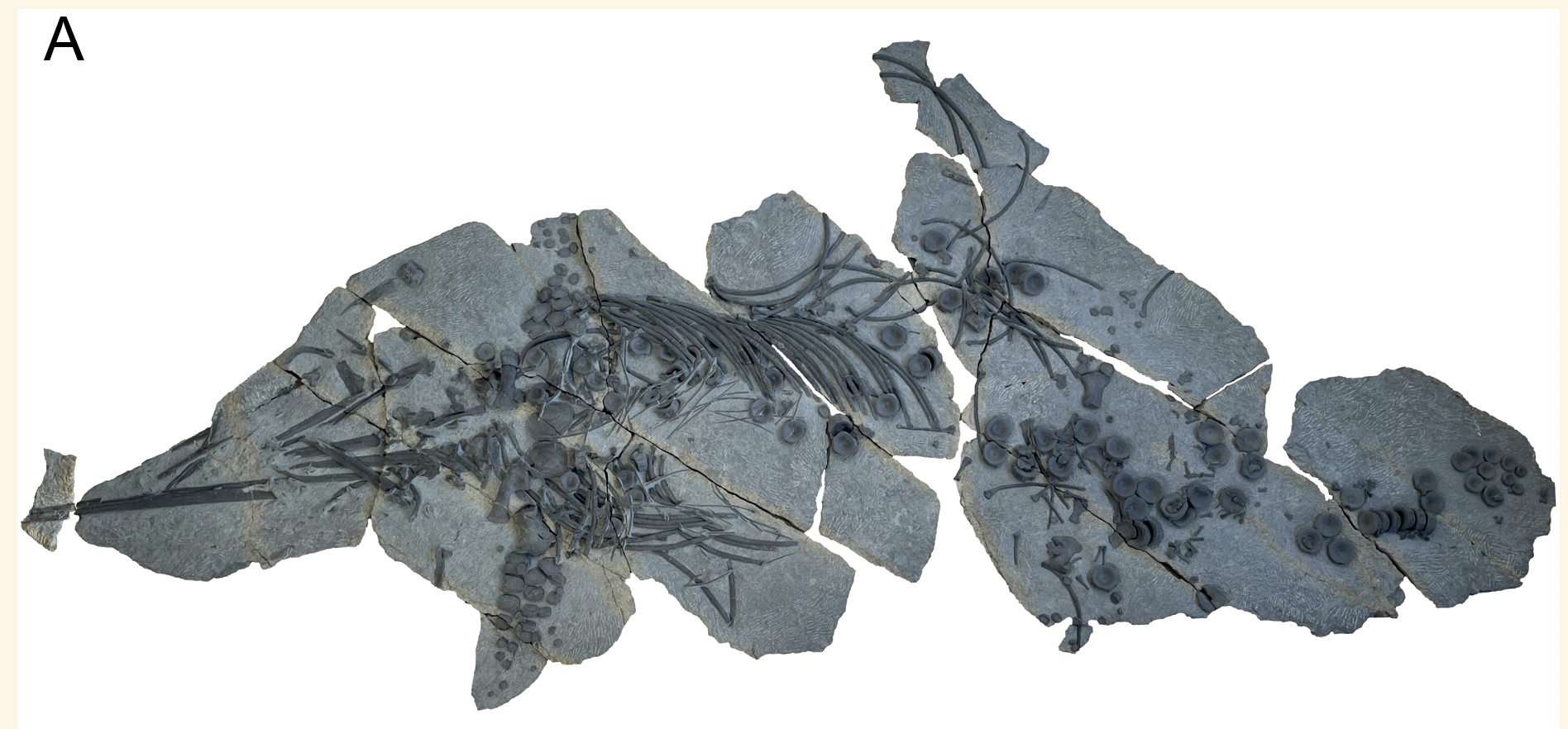
Paleontologists have identified a new species of the marine reptile genus Eurhinosaurus, named Eurhinosaurus mistelgauensis, from Jurassic deposits in Bavaria, southern Germany.
Read More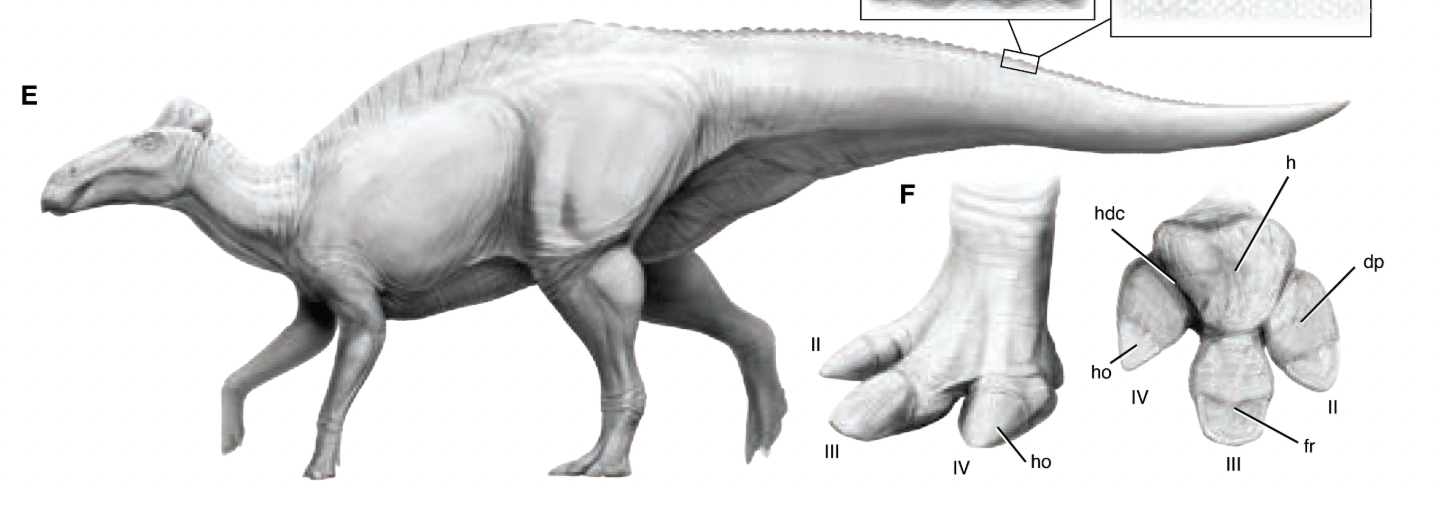
Paleontologists have unveiled two exceptionally preserved “mummy” specimens of Edmontosaurus annectens, a well-known duck-billed dinosaur.
Read More
Paleontologists reexamined old museum collections of Triassic fossils in Britain and uncovered that many specimens were previously misidentified.
Read More
In a new study published last week, Smyth and colleagues investigate injuries in baby pterosaurs from the Solnhofen limestone beds of Germany.
Read More
Paleontologists have found a new species of turtle in Colorado that is dated right to the Cretaceous-Paleocene boundary, and survived the extinction.
Read More
Horseshoe crabs are called ‘living fossils’, but even so, we know surprisingly little about their early evolution, until the late Devonian.
Read More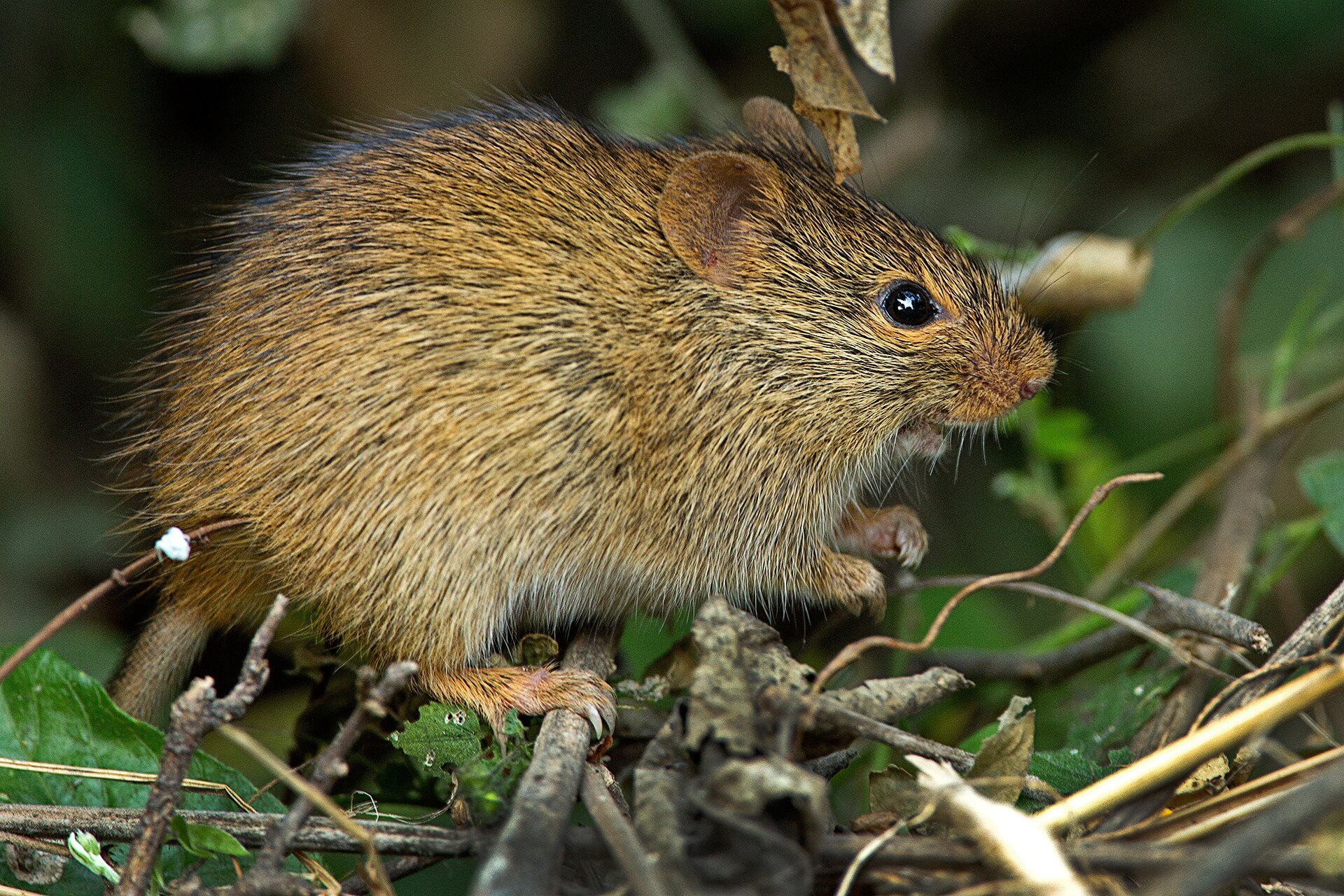
Scientists in India have found an ancient ancestor of the Indian bush rat (Golunda ellioti), which is the only surviving species of its genus.
Read More
Paleontologists have found a new species of crocodilians, Kostensuchus atrox, measuring almost 12 feet (3.5m) and weighing roughly 250kg.
Read More