Triassic Epidemic: Bone Infection Plagued a Community of Giant Phytosaurs
Bone sections from nine Colossosuchus techniensis suggest recurring bone disease, probably bacterial osteomyelitis, that may have contributed to community deaths.
Read More
Bone sections from nine Colossosuchus techniensis suggest recurring bone disease, probably bacterial osteomyelitis, that may have contributed to community deaths.
Read More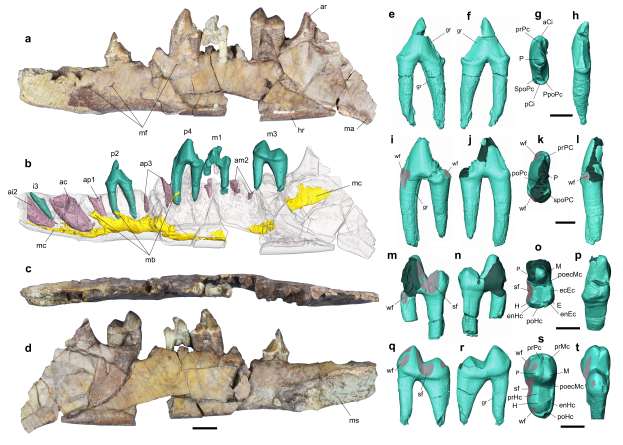
A 48-million-year-old jaw from Kalakot, Jammu and Kashmir, reveals Kalakocetus aurorae, the most primitive whale identified to date.
Read More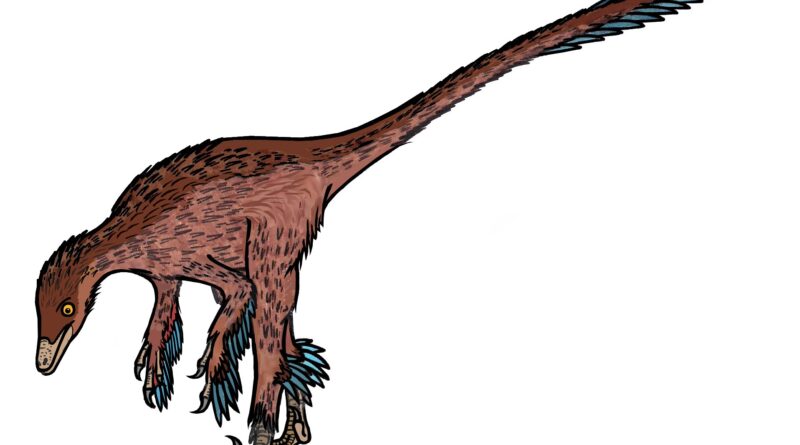
A second, better-preserved tooth from Tamil Nadu’s Kallamedu Formation confirms that bird-like troodontid dinosaurs lived in India at the end of the Cretaceous.
Read More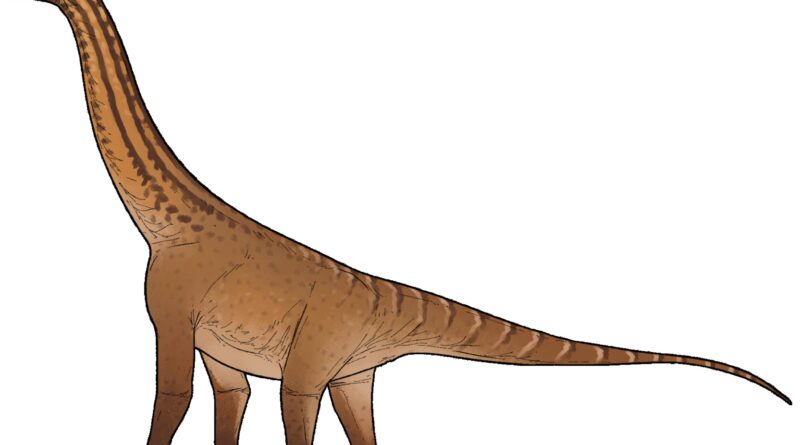
Ceratocaudia antiqua, a 7-metre sauropod with a horn-like tail crest from Gujarat’s Kutch Basin, is India’s earliest diagnosable macronarian neosauropod.
Read More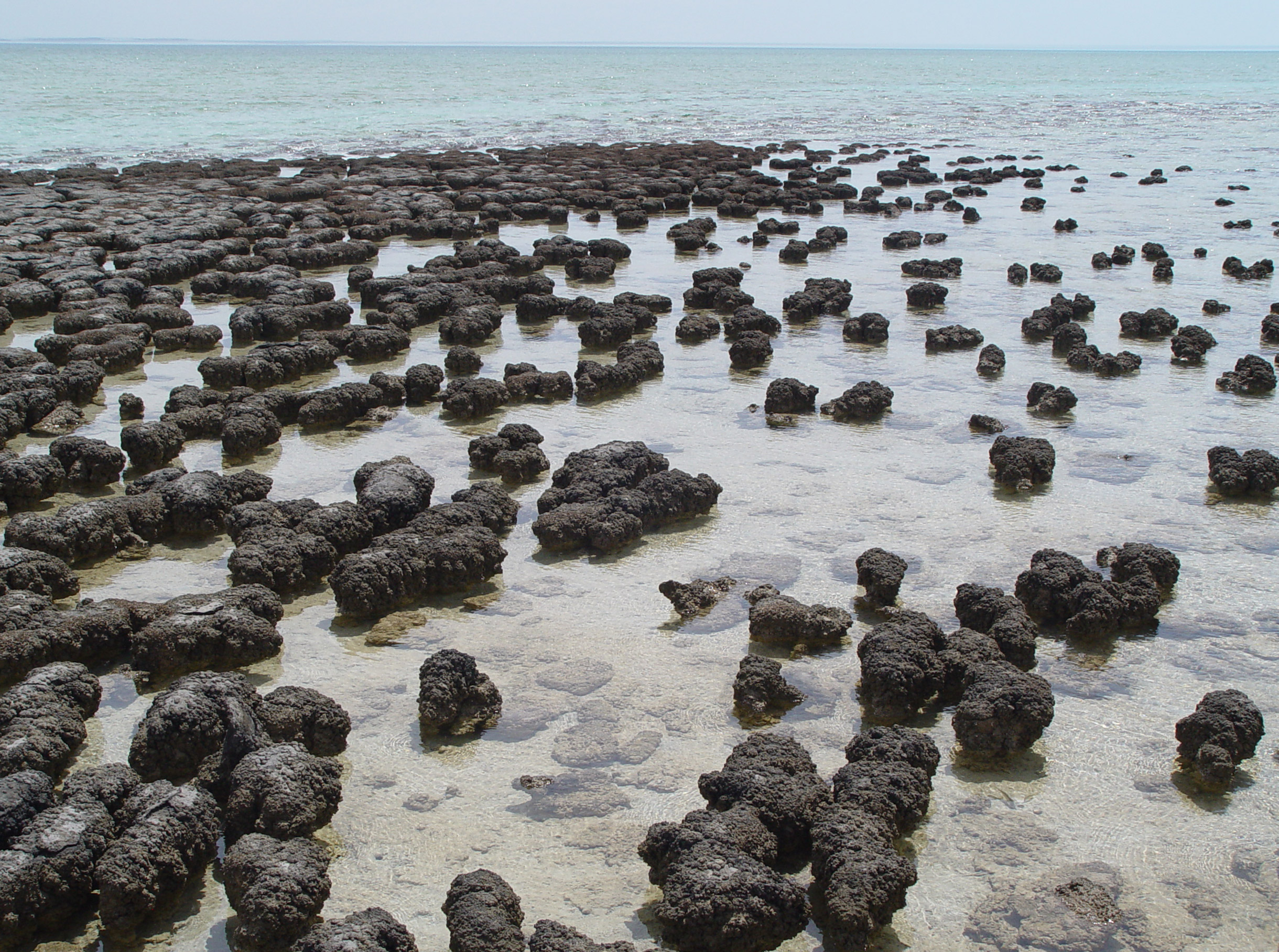
Zircons in the Bhitardari chert from Jharkhand date a possible microbial mat to 3,497 ± 5 million years ago, offering clues to Earth’s early life.
Read More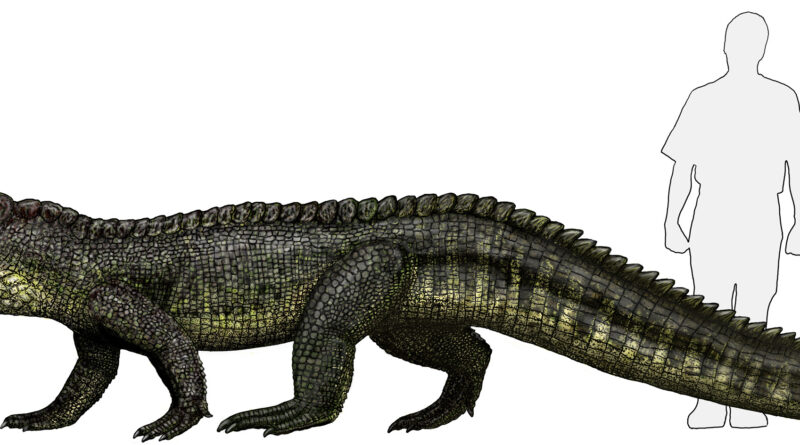
A Maleri Formation skull from Telangana reveals Primisuchus gillettei, India’s first leptosuchomorph phytosaur and a new Triassic marker.
Read More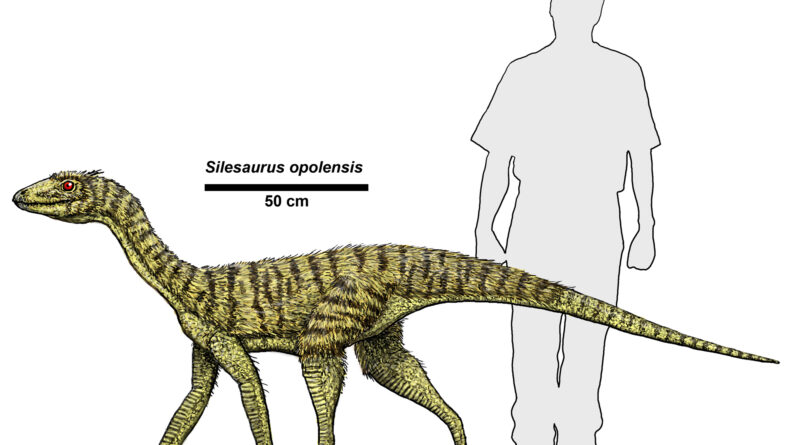
A small skull from Madhya Pradesh reveals Rewasaurus minori, India’s first definitive silesaurid: a Late Triassic dinosaur cousin with forward-pointing teeth.
Read More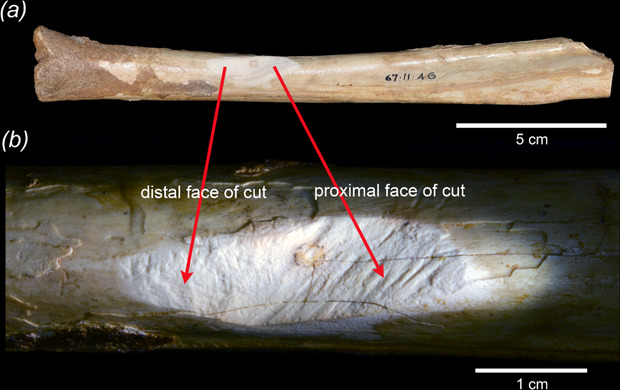
Did Indigenous Australians hunt the continent’s now-extinct megafauna, or did they engage with fossils in a more symbolic and scientific way?
Read More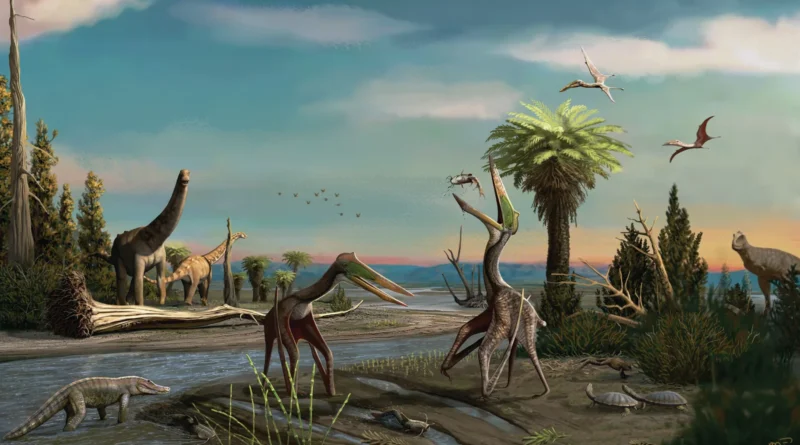
Paleontologists have identified a new species of pterosaur, named Galgadraco zephyrius, from fossil remains found in Upper Cretaceous Brazil.
Read More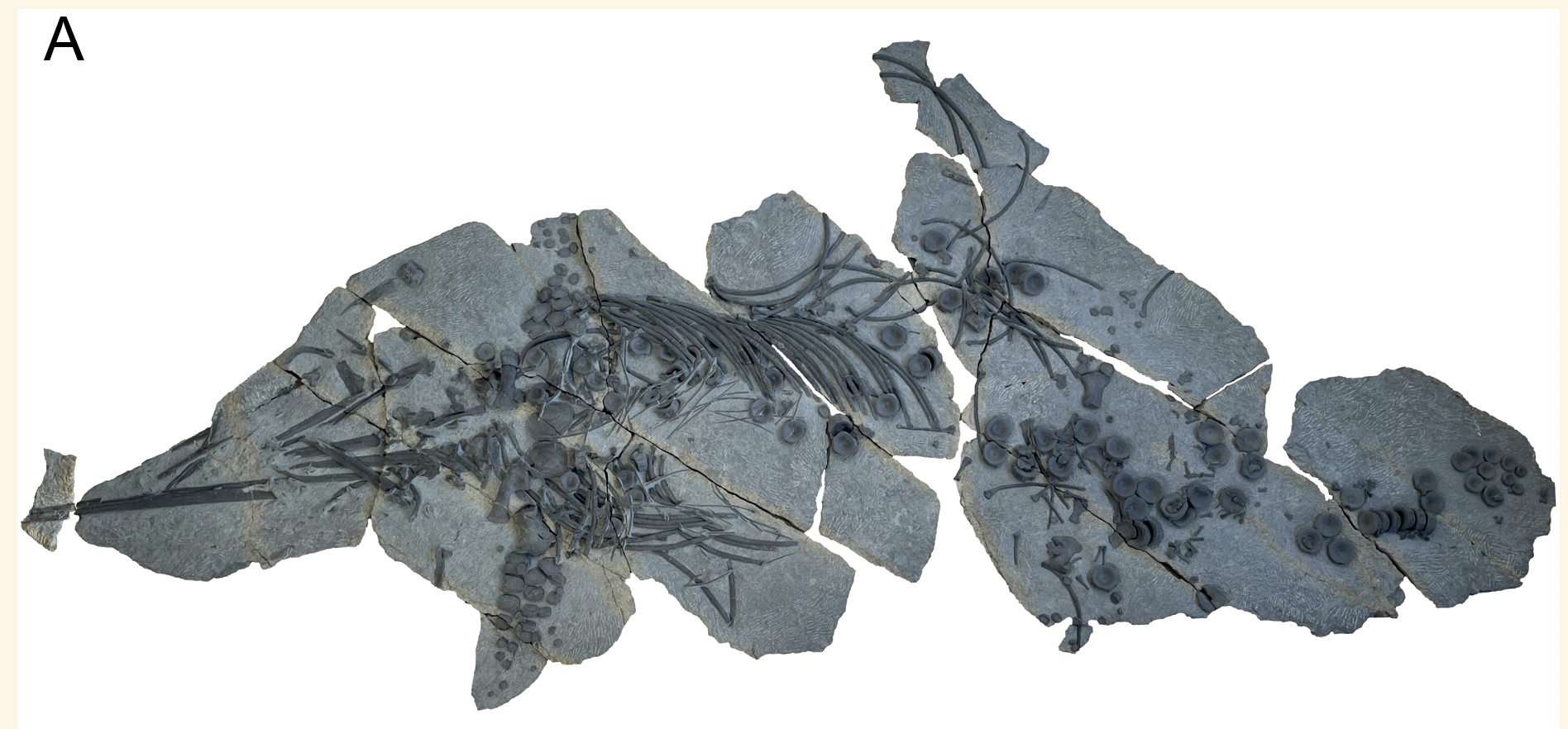
Paleontologists have identified a new species of the marine reptile genus Eurhinosaurus, named Eurhinosaurus mistelgauensis, from Jurassic deposits in Bavaria, southern Germany.
Read More