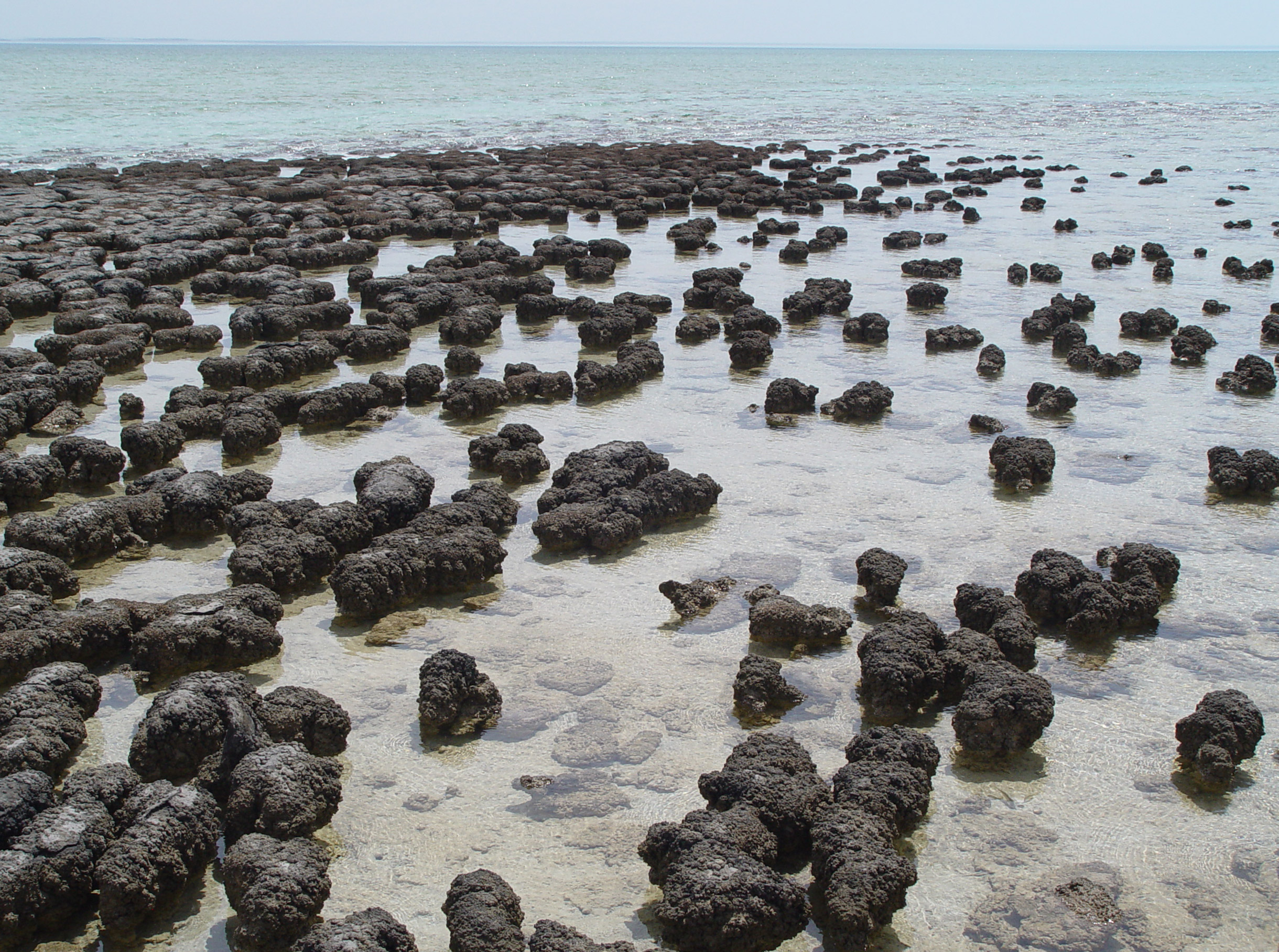
3.5-Billion-Year-Old Rock From Jharkhand May Be the Oldest Directly Dated Trace of Life
Zircons in the Bhitardari chert from Jharkhand date a possible microbial mat to 3,497 ± 5 million years ago, offering clues to Earth’s early life.
Read MoreThe latest paleontology research explained: new studies on how ancient animals ate, moved, grew, and survived a changing planet.
Zircons in the Bhitardari chert from Jharkhand date a possible microbial mat to 3,497 ± 5 million years ago, offering clues to Earth’s early life.
Read More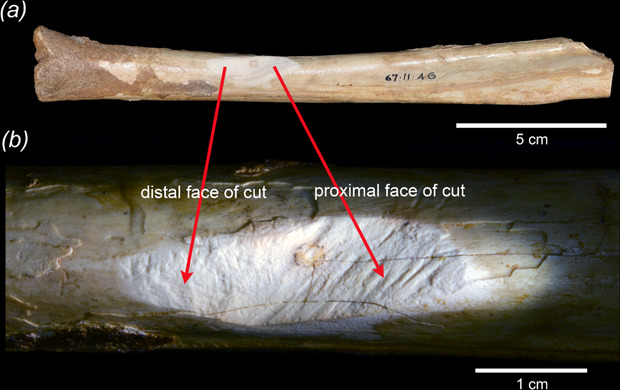
Did Indigenous Australians hunt the continent’s now-extinct megafauna, or did they engage with fossils in a more symbolic and scientific way?
Read More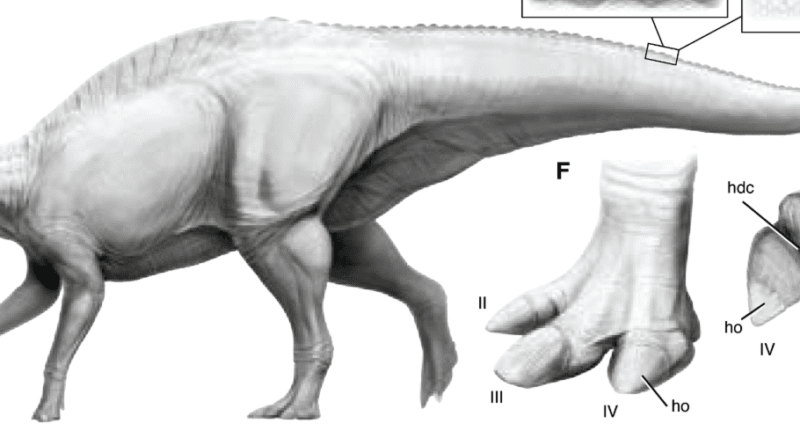
Paleontologists have unveiled two exceptionally preserved “mummy” specimens of Edmontosaurus annectens, a well-known duck-billed dinosaur.
Read More
Paleontologists reexamined old museum collections of Triassic fossils in Britain and uncovered that many specimens were previously misidentified.
Read More
In a new study published last week, Smyth and colleagues investigate injuries in baby pterosaurs from the Solnhofen limestone beds of Germany.
Read More
Paleontologists have found a new species of turtle in Colorado that is dated right to the Cretaceous-Paleocene boundary, and survived the extinction.
Read More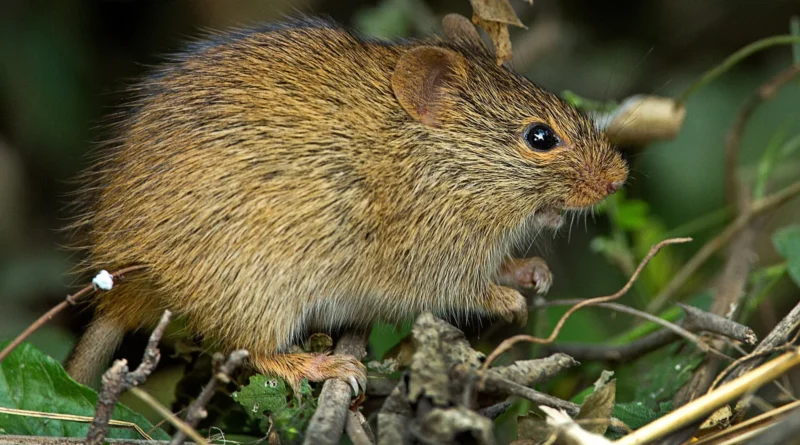
Scientists in India have found an ancient ancestor of the Indian bush rat (Golunda ellioti), which is the only surviving species of its genus.
Read More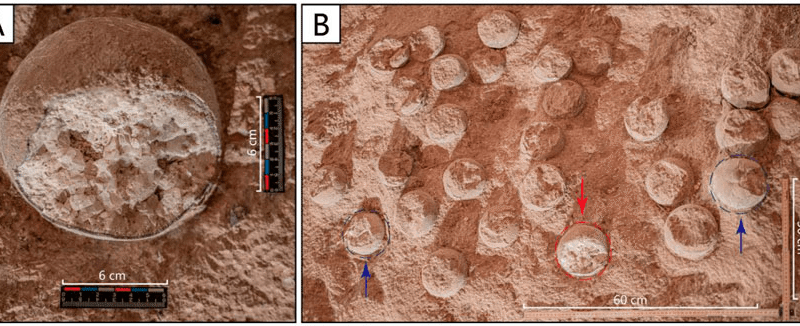
Paleontologists have successfully directly dated dinosaur egg fossils, by using a new method of dating, rather than relying on the surrounding rocks.
Read More
A 310-million-year-old fish, Platysomus parvulus, shows the now oldest known “tongue bite”. It has extra teeth on the roof and floor of its mouth.
Read More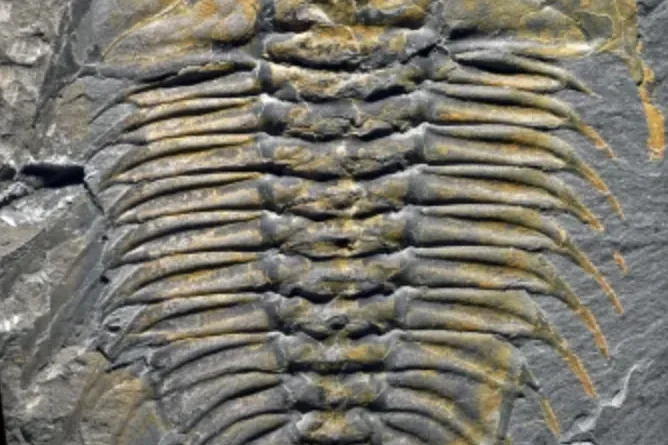
A new study of 156 cambrian trilobites, belonging to 28 individuals of the same species (Olenoides serratus) has yielded some definitive results.
Read More