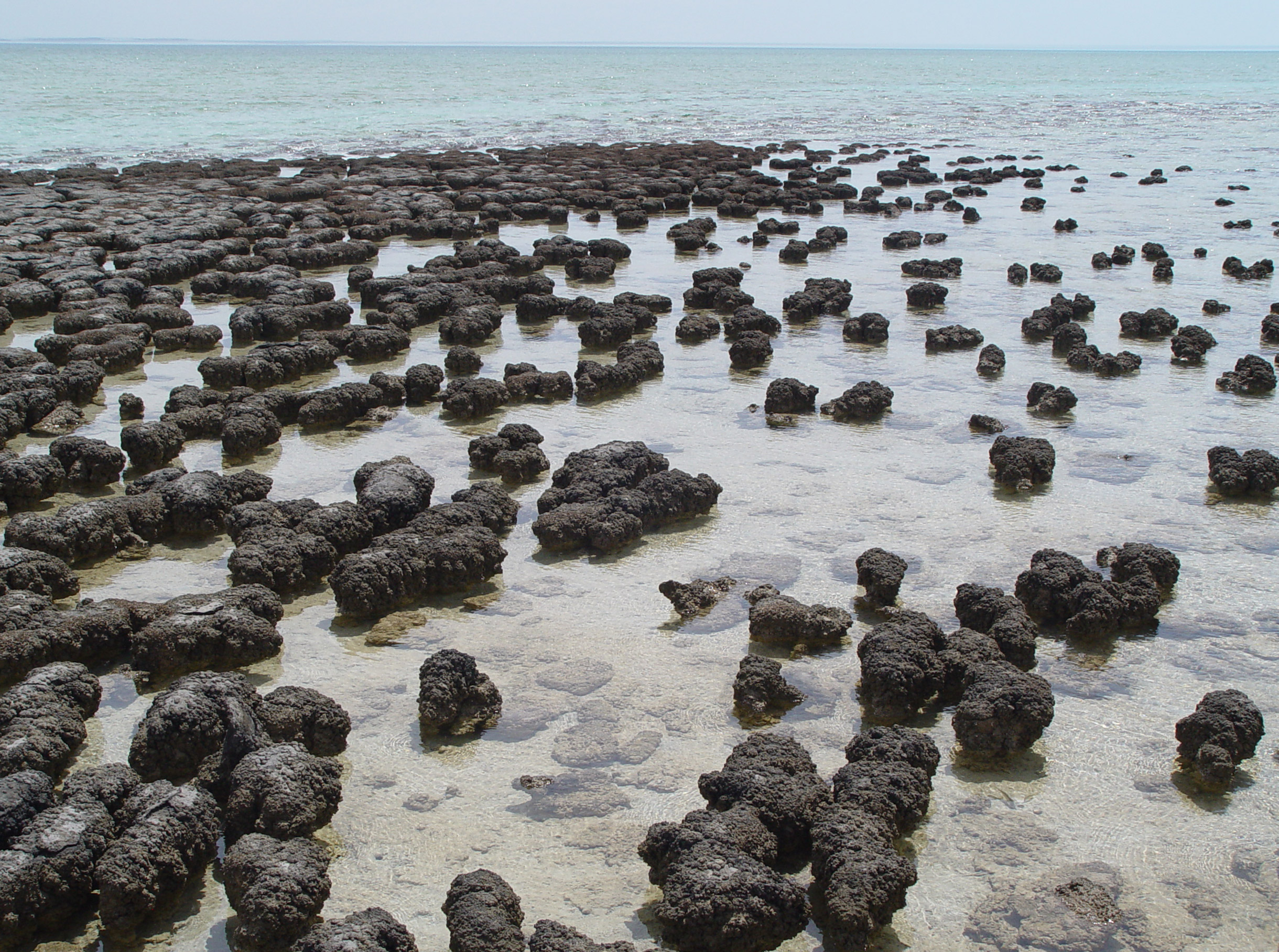
3.5-Billion-Year-Old Rock From Jharkhand May Be the Oldest Directly Dated Trace of Life
Zircons in the Bhitardari chert from Jharkhand date a possible microbial mat to 3,497 ± 5 million years ago, offering clues to Earth’s early life.
Read More
Zircons in the Bhitardari chert from Jharkhand date a possible microbial mat to 3,497 ± 5 million years ago, offering clues to Earth’s early life.
Read More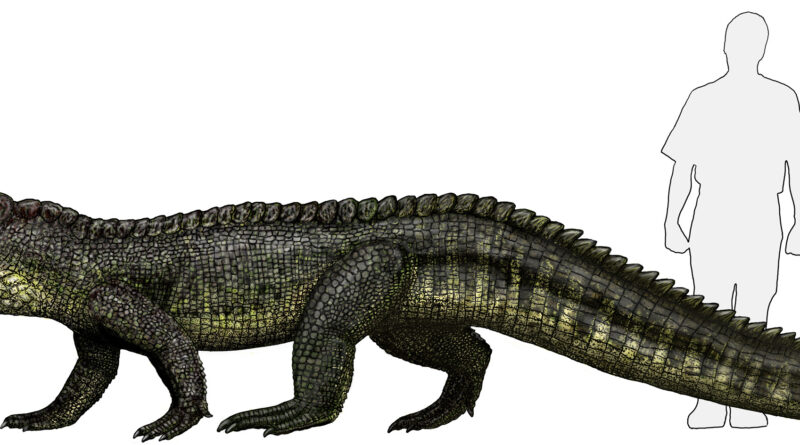
A Maleri Formation skull from Telangana reveals Primisuchus gillettei, India’s first leptosuchomorph phytosaur and a new Triassic marker.
Read More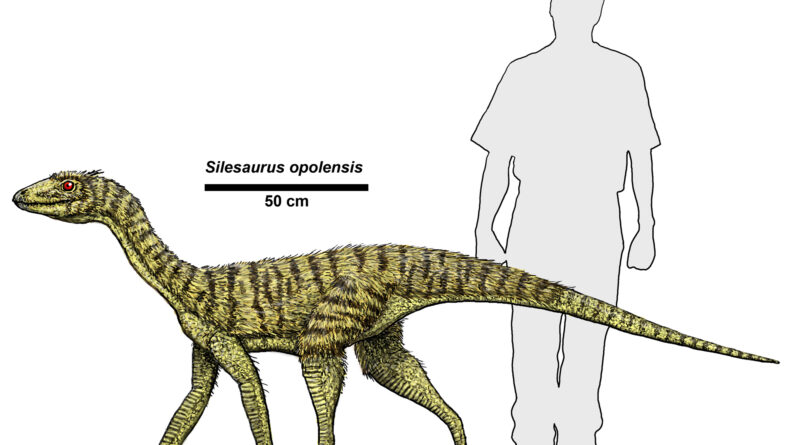
A small skull from Madhya Pradesh reveals Rewasaurus minori, India’s first definitive silesaurid: a Late Triassic dinosaur cousin with forward-pointing teeth.
Read More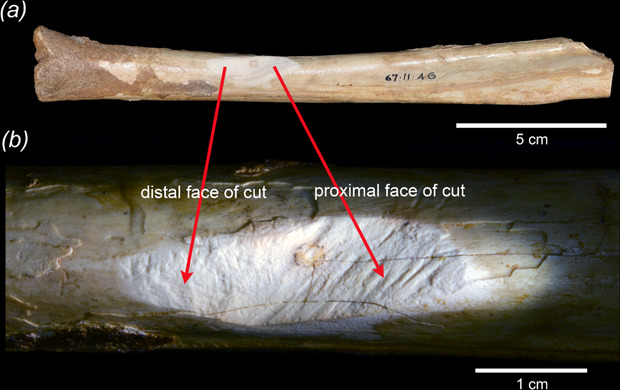
Did Indigenous Australians hunt the continent’s now-extinct megafauna, or did they engage with fossils in a more symbolic and scientific way?
Read More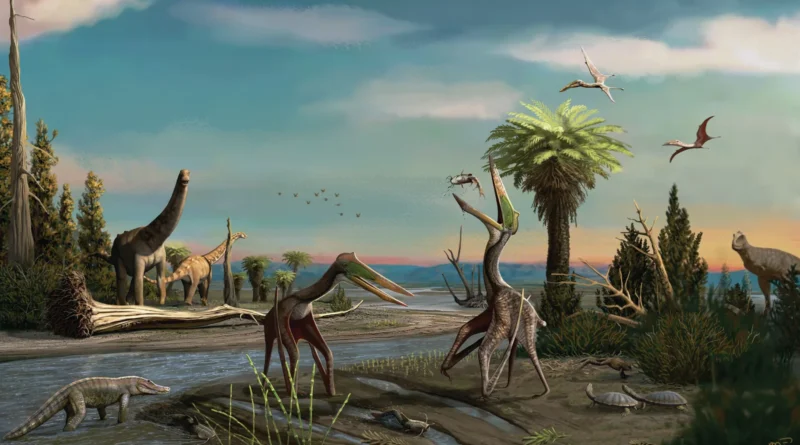
Paleontologists have identified a new species of pterosaur, named Galgadraco zephyrius, from fossil remains found in Upper Cretaceous Brazil.
Read More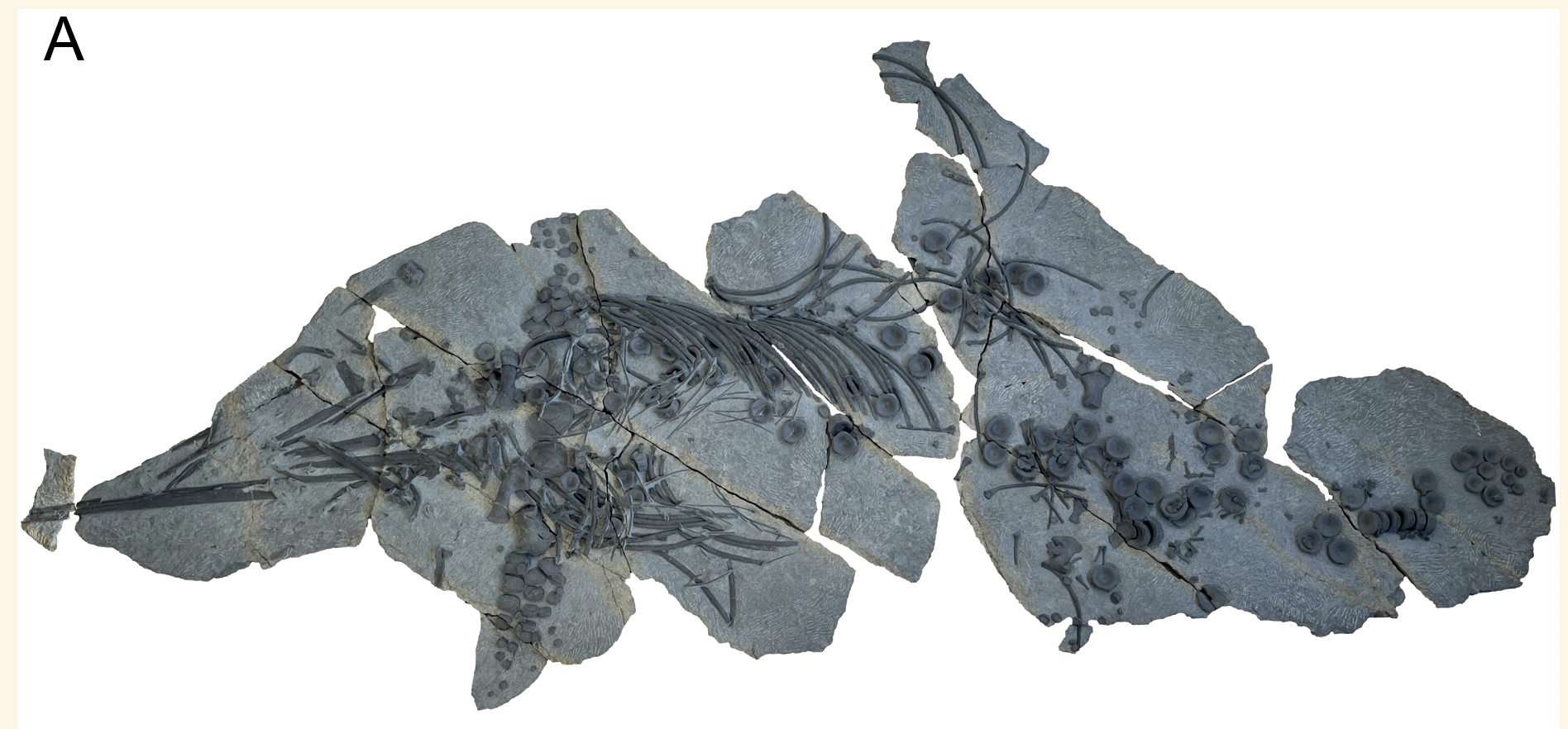
Paleontologists have identified a new species of the marine reptile genus Eurhinosaurus, named Eurhinosaurus mistelgauensis, from Jurassic deposits in Bavaria, southern Germany.
Read More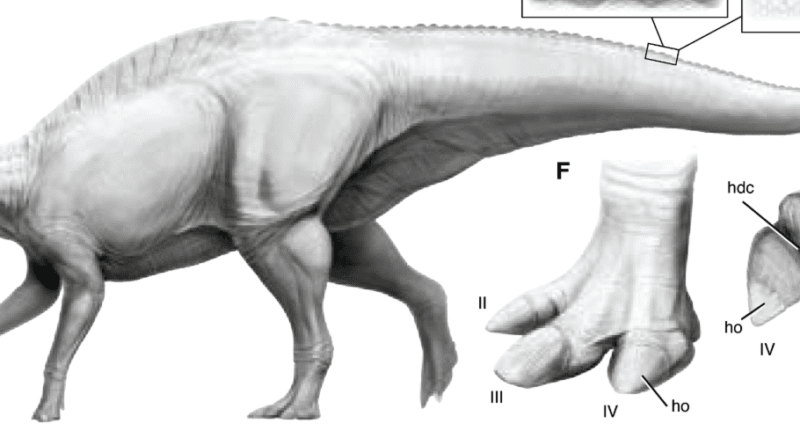
Paleontologists have unveiled two exceptionally preserved “mummy” specimens of Edmontosaurus annectens, a well-known duck-billed dinosaur.
Read More
Paleontologists reexamined old museum collections of Triassic fossils in Britain and uncovered that many specimens were previously misidentified.
Read More
In a new study published last week, Smyth and colleagues investigate injuries in baby pterosaurs from the Solnhofen limestone beds of Germany.
Read More
Paleontologists have found a new species of turtle in Colorado that is dated right to the Cretaceous-Paleocene boundary, and survived the extinction.
Read More