New Pterosaur Species Discovered in Brazil
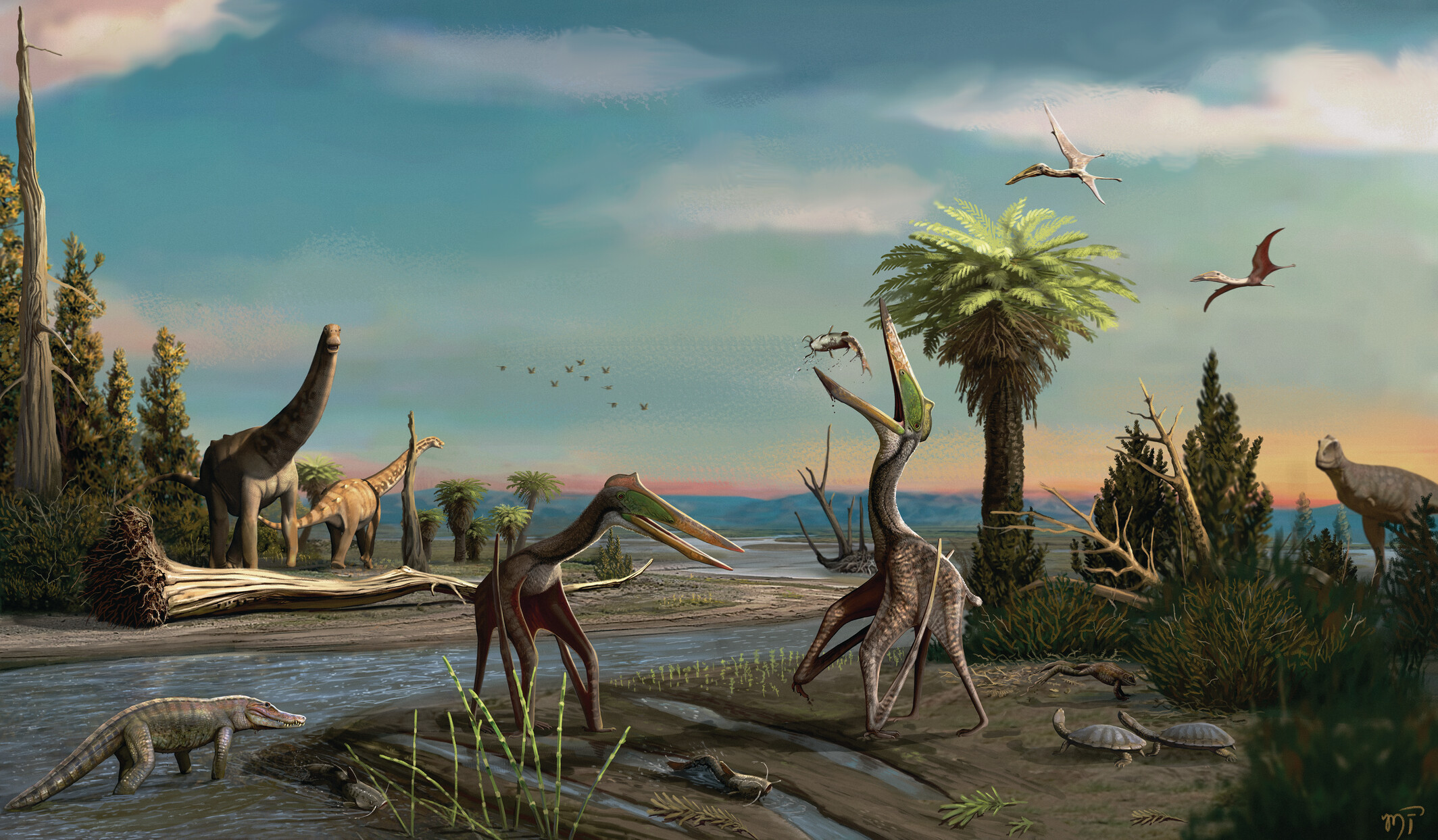
Paleontologists have identified a new species of pterosaur, named Galgadraco zephyrius, from fossil remains found in Upper Cretaceous Brazil.
Read More
Paleontologists have identified a new species of pterosaur, named Galgadraco zephyrius, from fossil remains found in Upper Cretaceous Brazil.
Read More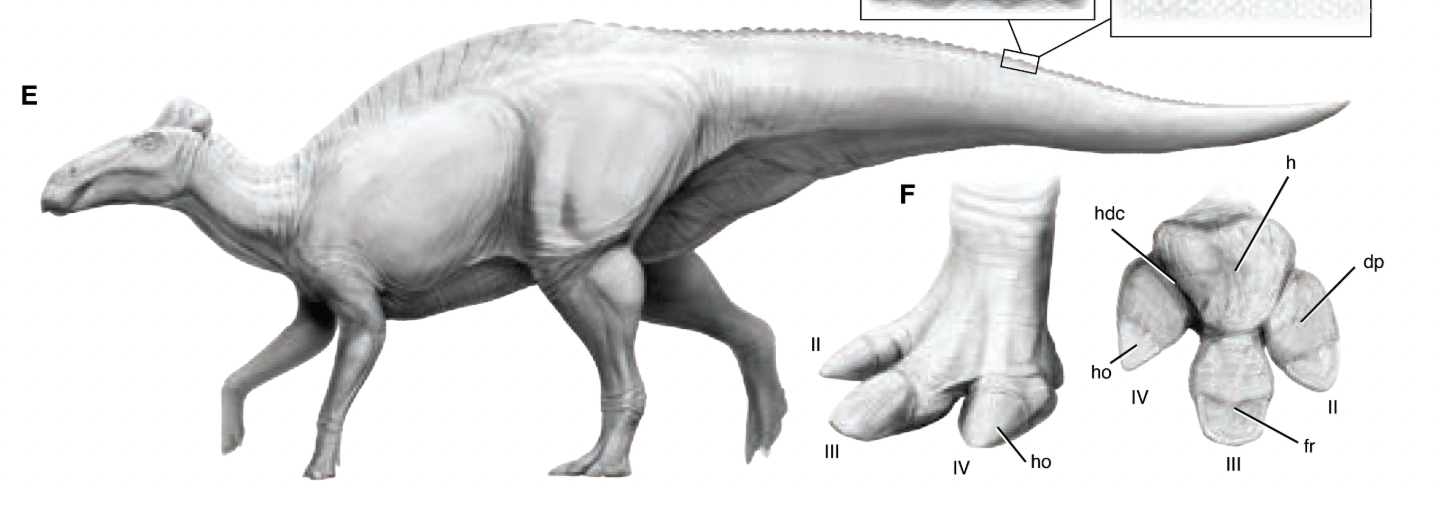
Paleontologists have unveiled two exceptionally preserved “mummy” specimens of Edmontosaurus annectens, a well-known duck-billed dinosaur.
Read More
Paleontologists have found a new species of turtle in Colorado that is dated right to the Cretaceous-Paleocene boundary, and survived the extinction.
Read More
Scientists found a new megaraptor fossil in Patagonia, with a crocodile leg in its teeth. Megaraptorans may have been apex predators.
Read More
Scientists in Mongolia have discovered a 108-million year-old juvenile pachycephalosaur who had a fully-formed dome on its head.
Read More
Paleontologists have successfully directly dated dinosaur egg fossils, by using a new method of dating, rather than relying on the surrounding rocks.
Read More
Paleontologists undertook an arduous deep dig in trenches of… a museum in Utah. They found armored lizard bones. Named Bolg amondol, this newly identified lizard lived in the Late Cretaceous, around 76 million years ago.
Read More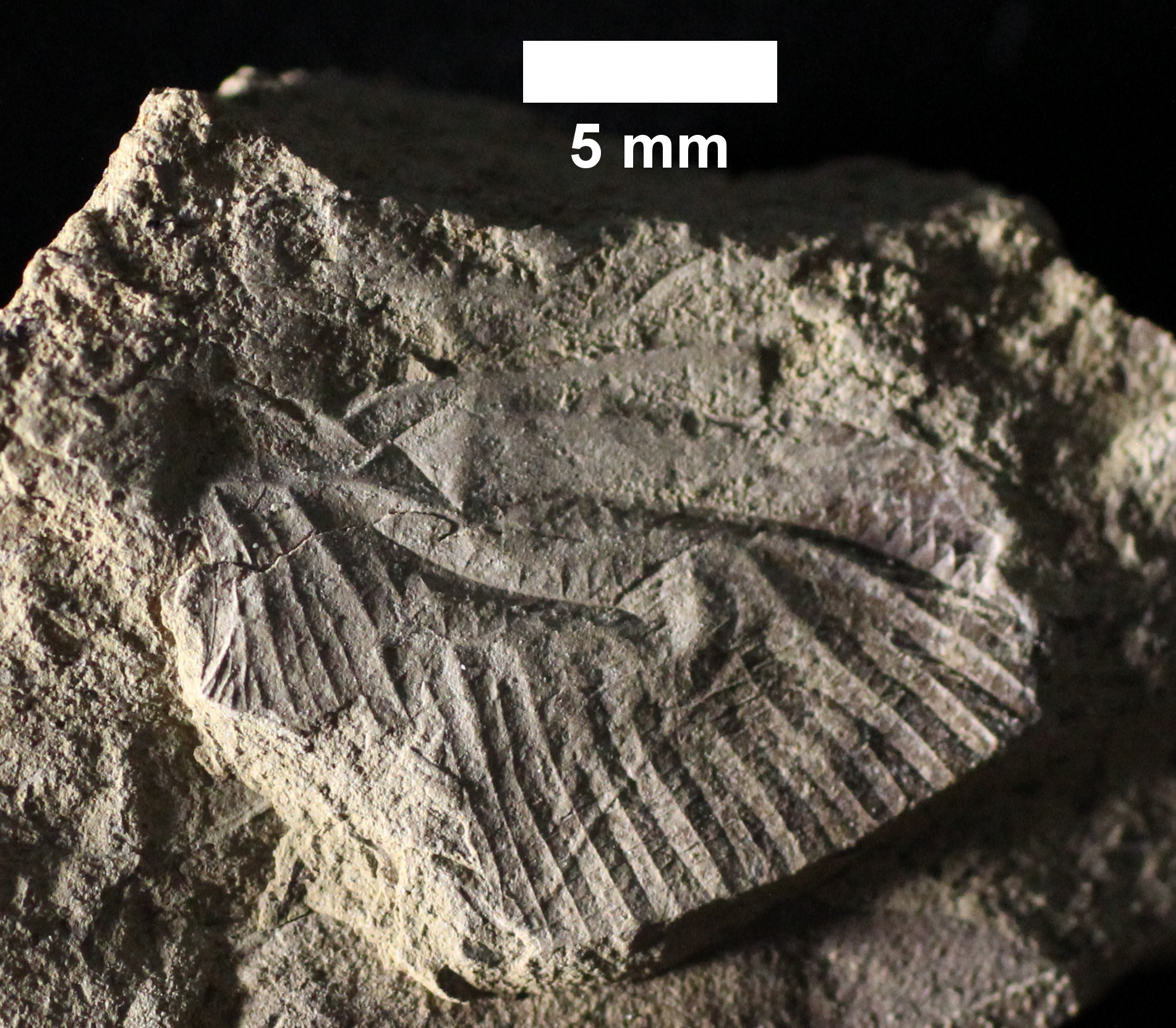
A fossil dragonfly wing found impressed in a rock, has given scientists a rare glimpse into Canada’s Cretaceous insects. The 75-million-year-old insect has been named Cordualadensa acorni. And it is the first Mesozoic dragonfly ever found in Canada.
Read More
In the Cretaceous, amber resin dripped from trees and, sometimes, trapped tiny insects. Now, 100 million years later, we have found a beautiful, shiny insect trapped in amber.
Read More